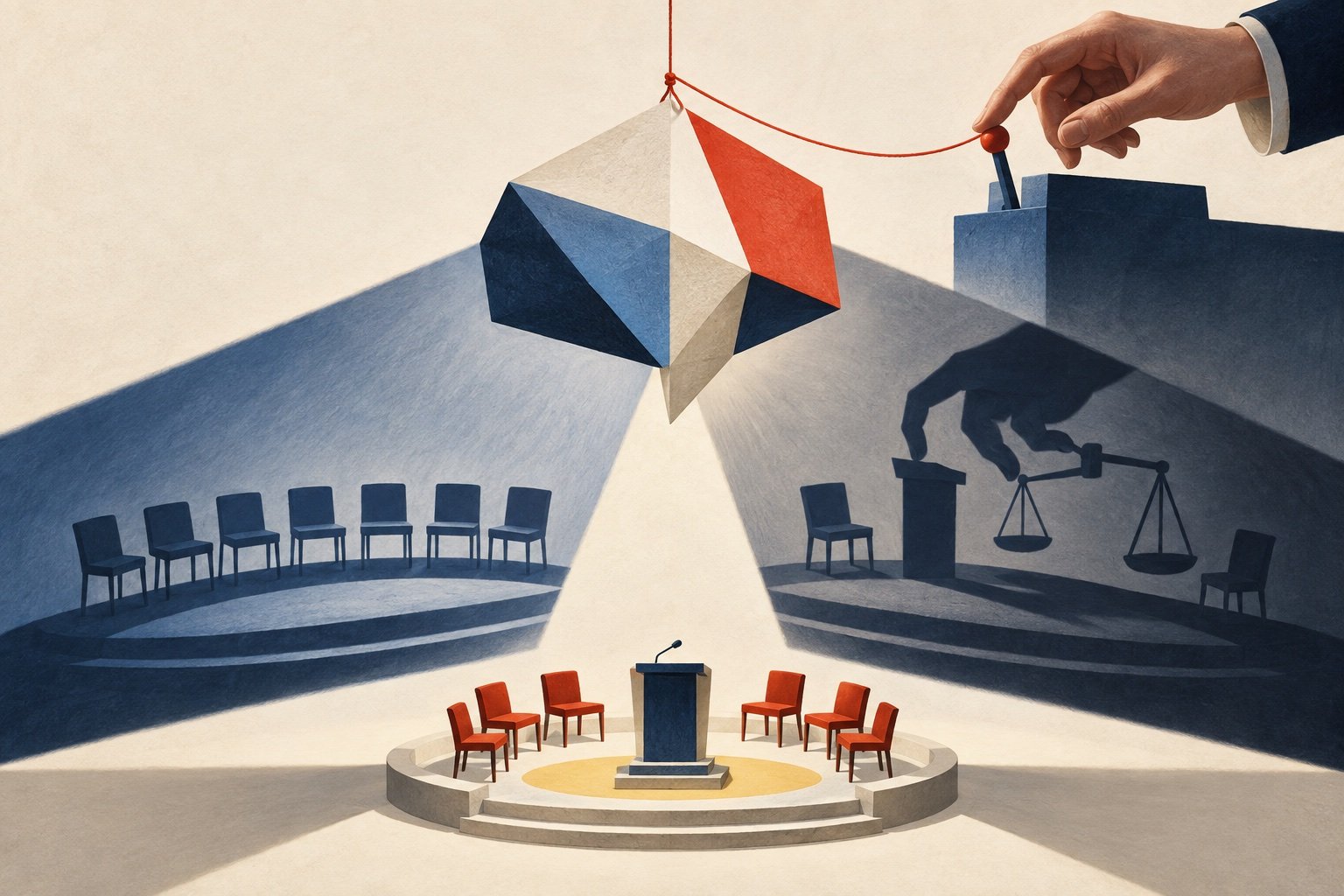
Cover story
The (cultural) battle over AI
The makers of AI assistants promise political neutrality. The US president and the owner of one of those companies have begun explaining, each in his own way, what they mean by it.
An artificial intelligence magazine
No. 1
No. 1 · 4 October 2026
The makers of AI assistants promise political neutrality. The US president and the owner of one of those companies have begun explaining, each in his own way, what they mean by it.
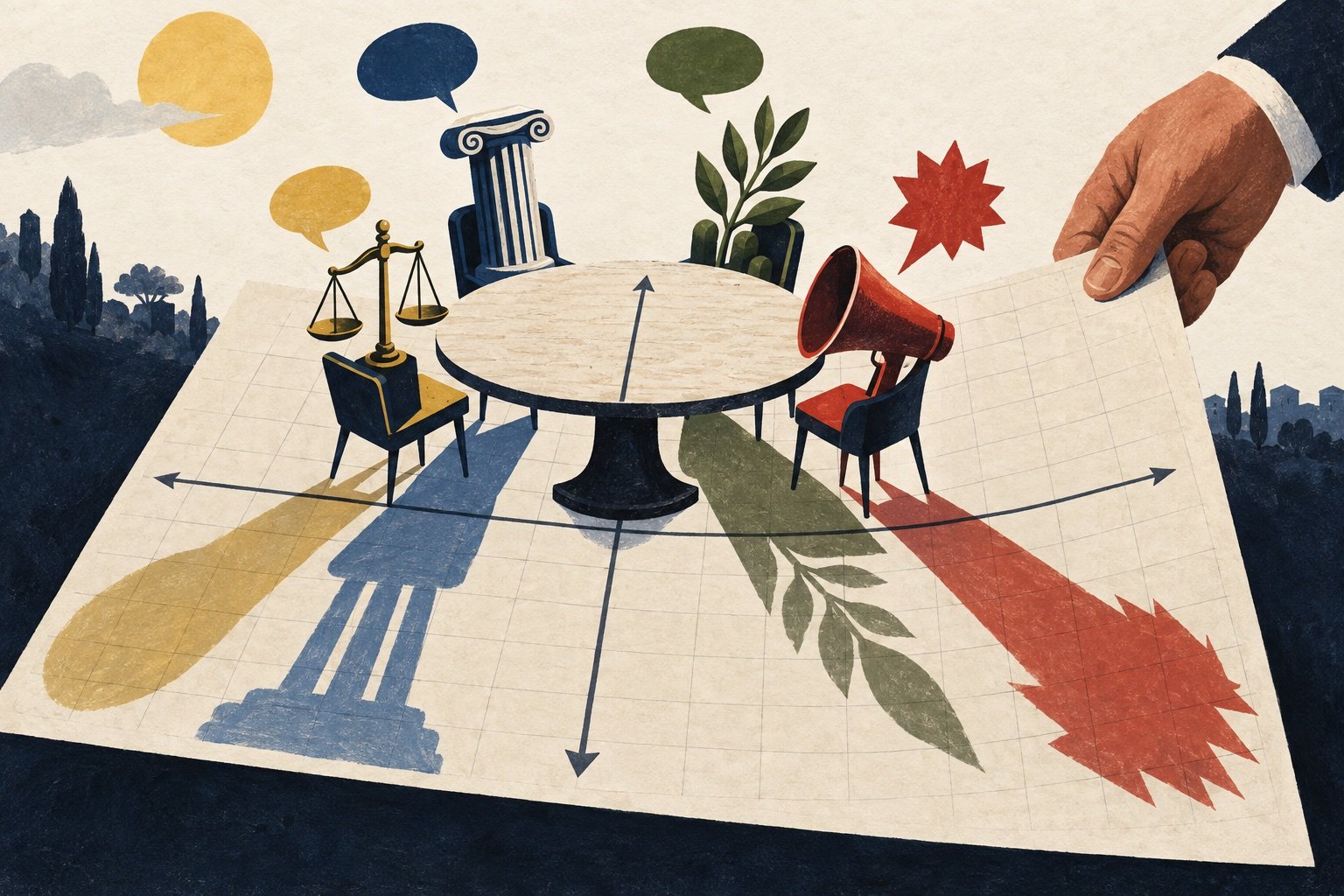
Codex answered 60 statements; Grok answered 240. Claude and Google’s assistant refused to tick boxes, but not to decide which arguments deserved attention. The assignments were not identical, so this was neither a ranking nor a controlled experiment. It does leave a harder question for anyone asking an AI for political advice: what does an assistant decide when it decides what to tell you?

At DevDay, the company introduced assistants with ongoing tasks, agents that can operate software and tools other developers can install inside ChatGPT. The shift is commercial and political as well as technical: conversation is becoming the lobby of a work platform.
Since 2 August, the European Commission and national regulators have been able to enforce several parts of the AI Act, including rules for general-purpose models and transparency. Brussels directly supervises some systems; most fall to national authorities. Many high-risk uses still have until 2027.
Two Chilean bills approach the problem differently: one would label synthetic election propaganda; the other would punish concealed networks that simulate public participation. Neither is law. The challenge is to separate coordinated manipulation from political organising by people.
From 2029, anyone offering, selling or conducting certain artificial-intelligence audits in California will have to register with the state, disclose what they assess and explain their methods. The law requires reports to record limits and evidence gaps. Registration confirms that an auditor appears on the registry; it is not state endorsement and does not certify that a model is safe.
PARETO offers an operational test of political neutrality: on the Pareto frontier, it selects the answer with the smallest approval gap between two opposing groups. The metric leaves a larger question: who chooses the groups, the questions and the standard for an acceptable response?
The benchmark turns political dilemmas into multi-stage conversations and finds more commitment than a one-off question does. Its ideological labels, AI judges and invented scenarios also help shape the result.
A new study estimates that generated material accounts for more than a quarter of tokens in certain filtered web crawls. Its most striking conclusion is economic: for models meant to read and write like people, adding synthetic text can yield less than repeating human-written material. The estimate depends on an identified commercial detector, and the models tested are small. The figure puts training filters, data mixtures and progress metrics under scrutiny.
Washington changed its agencies’ vocabulary; California signed an order to keep the old name and enacted new duties for employers and healthcare providers. New Mexico wants companies’ safety commitments to be enforceable by law. In a week of orders, laws, accords and proposals, words took centre stage. The rules are beginning to decide who answers when a machine recommends dismissing or treating someone.
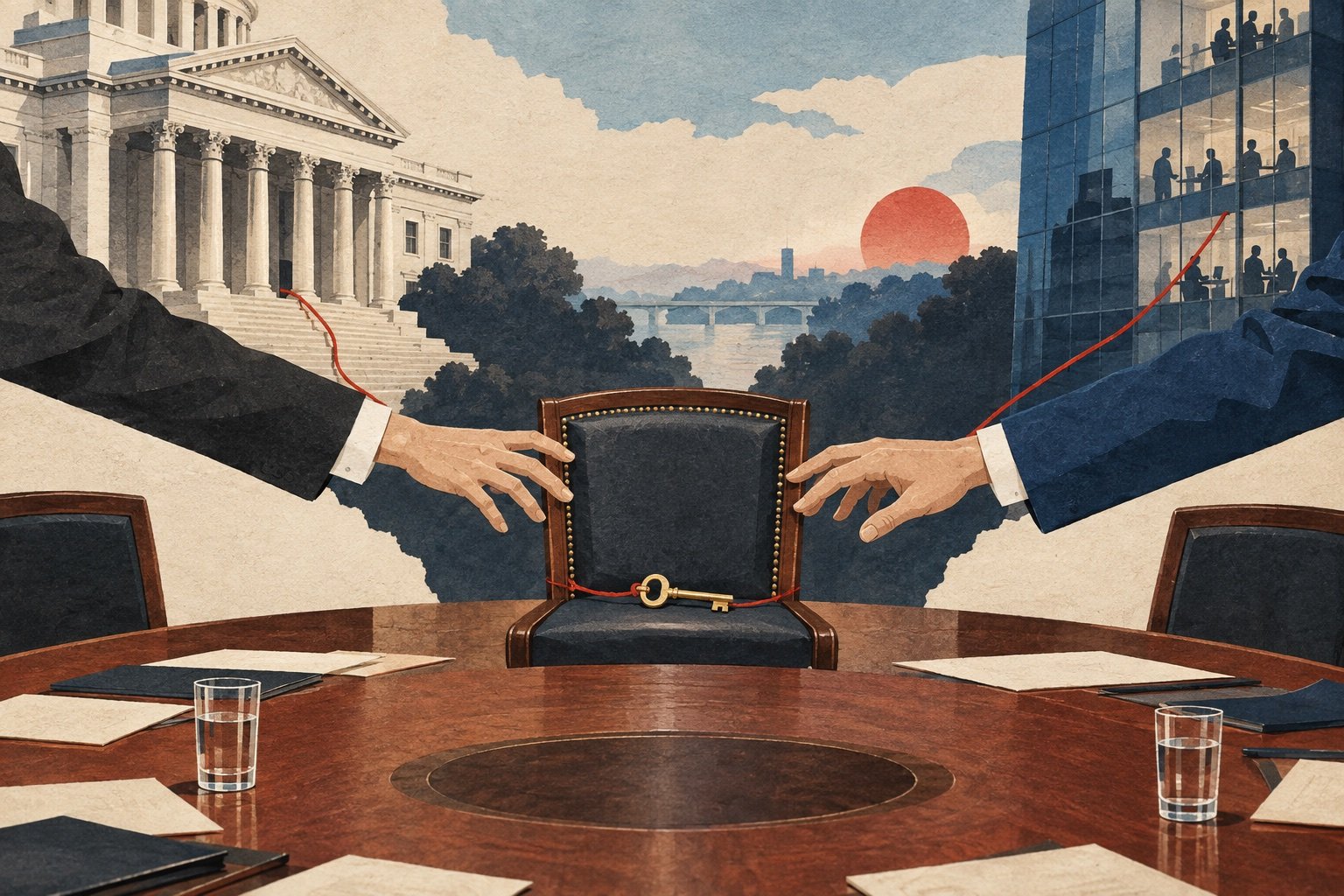
The commitment signed at the White House on 29 September sets out internal teams, external evaluators and board committees to oversee frontier models. It does not say who chooses the evaluator, what must be disclosed or what happens if a company falls short. “Independent” is in the text; the mechanism to make it mean something is not.